Introduction
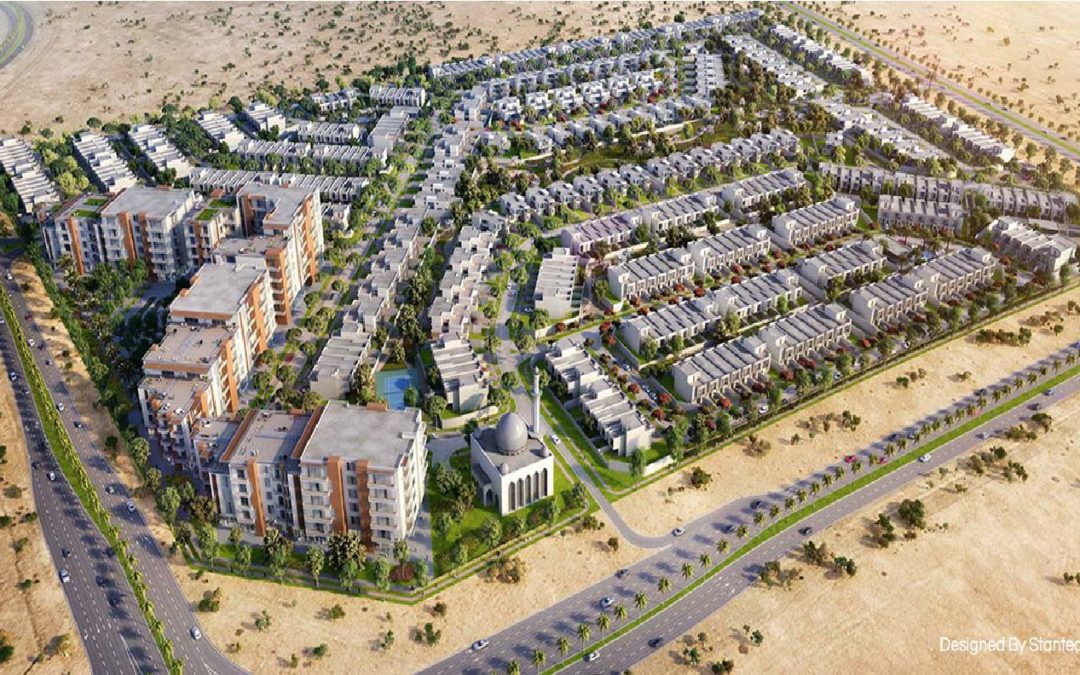
Somaliland stands at the threshold of transformation. As urbanization accelerates and the economy diversifies, the need for well-structured, master-planned communities has never been more crucial. These large-scale developments are more than just real estate projects—they are engines of economic growth, job creation, and international investment. A properly executed master plan will elevate Somaliland’s global reputation, enhance tax revenues, and provide a structured approach to urban expansion.
Counter-arguments & Challenges
Before exploring the benefits, it’s important to acknowledge common concerns about master-planned communities:
1. High Initial Costs – Large-scale developments require significant capital, which can be challenging in a developing economy.
2. Long Development Timelines – These projects take years to complete, requiring long-term commitment and strategic execution.
3. Market Demand Uncertainty – Some argue that demand might not sustain such developments, leading to incomplete or underutilized projects.
4. Infrastructure Dependence – The success of master-planned communities often depends on government support in providing roads, electricity, and water.
5. Regulatory Barriers – Zoning laws and land policies need to support large-scale developments for seamless execution.
The Case for Master-Planned Communities
Despite these concerns, the benefits of master-planned communities far outweigh the risks when managed correctly:
1. Economic Growth & Job Creation
– Large-scale construction leads to thousands of jobs, from skilled engineers and architects to laborers and service providers.
– Increased property value creates wealth for investors and homeowners alike.
– Encourages new businesses, shopping centers, offices, and recreational facilities, fostering economic diversification.
2. Boosting Somaliland’s Reputation & International Investment
– Well-structured developments attract international investors looking for stable and scalable opportunities.
– Enhances Somaliland’s image as a region that is modernizing, organized, and investment-friendly.
– Encourages diaspora returnees to invest in high-quality housing and business spaces.
3. Increased Tax Revenues & Government Development
– A structured real estate sector increases property tax collection, boosting government resources for further infrastructure.
– Expanding commercial and residential properties leads to increased business licensing and TAX contributions.
– Reduces the unstructured and informal nature of land development, which often leads to revenue losses.
4. Sustainable Urban Development
– Provides well-planned road networks, drainage systems, and green spaces, improving the quality of life.
– Reduces slum growth and uncontrolled urban sprawl, which pose long-term economic and social challenges.
– Promotes an organized, long-term vision for Somaliland’s cities, making them globally competitive.
Expertise in Master-Planned Communities & Execution Strategy
With a background in real estate development that spans global markets, I have worked in London, UK, and advised on numerous projects across the Middle East before leading major developments in East Africa. Having spearheaded large-scale projects such as Rugsan Gardens, Aragsan Village, and the $1 billion Salaam City project in Djibouti, my expertise in master-planned communities is deeply rooted in real-world execution. I understand the intricate balance of sales, construction, financing, and investor expectations, ensuring that each project is not only visionary but also commercially viable and efficiently delivered.
The Role of Cash Management in Execution
One of the most critical factors in executing a master-planned community is financial discipline. Without proper cash flow management, even the most well-planned developments can stall. At Fair Construction, we prioritize:
– Staggered project phases to align construction expenses with revenue inflows.
– Off-plan sales strategies to generate early capital and reduce reliance on debt.
– Strict financial oversight to ensure smooth project execution from start to finish.
The Power of Off-Plan Sales
Selling off-plan is one of the most powerful tools in large-scale real estate development. By securing buyers before construction starts, we:
– Generate early-stage capital to fund construction.
– Ensure demand before supply, reducing market risks.
– Create a pipeline of guaranteed buyers, de-risking the project from financial instability.
Fair Construction: A Developer & Builder in One
One of the most innovative aspects of Fair Construction is its dual expertise in both design and construction. This vertical integration offers significant advantages:
– Speed & Efficiency – We control the entire development process, reducing dependency on external contractors.
– Cost Savings – By eliminating third-party inefficiencies, we maximize cost efficiency and maintain quality standards.
– Seamless Execution – With both developer and builder expertise, we can pivot quickly to market demands, making our projects more agile and adaptive.
Transforming Somaliland’s Future
Through smart, well-planned urban developments, we are setting the foundation for a modern Somaliland. Our expertise in real estate operations, off-plan sales, and construction execution positions us as leaders in this transformation. With a clear vision, strong financial discipline, and strategic project management, we are not just building homes—we are building the future of Somaliland.
With the right partnerships and investor confidence, we will transform the landscape of Somaliland, redefine its urban future, and create lasting economic prosperity.